


Update on Polyphenol Testing from Jonas, Ora’s founder

As you know at Ora we’ve had a long commitment to quantifiable data as we transform cacao bean to cacao disc. It began with measuring theobromine and caffeine levels, then went into heavy metals testing, and now, we’re investing more into our polyphenol and flavonoid testing.
You may have heard of the basic ORAC test, which measures total polyphenols. We go way beyond this, actually running LC/MS-MS (Liquid Chromatography-Tandem Mass Spectrometry) to determine concentrations of individual polyphenol and flavonoid compounds. This is considered the gold standard.
Because we sample at multiple stages of our manufacturing from raw bean to finished product, we get to use that data to improve our factory for maximum retention of beneficial polyphenols in our cacao.
As far as we know we’re some of the only people running these tests on multiple cacao origins to understand how cacao from different regions varies, and then digesting that data with the help of nutritionists and cardiologists, and bringing it back to the factory to improve our process.
With over 120+ polyphenol compounds alone we’re finding some very interesting things that we haven’t seen published before in commonly available literature about cacao.
Everybody is talking about the benefits of cacao flavonoids, but there’s a whole second category of non-flavonoid polyphenols that are just as important, and have completely different receptor interactions, different antioxidant mechanisms, and different microbial metabolism in the gut.
So we really need to think of cacao as much more than simply a flavonoid delivery mechanism. Here’s a few non-flavonoid polyphenols we’re excited to highlight:
-
You’ve probably heard of the antioxidant found in olive oil that protects the cardiovascular system. This particular antioxidant is called tyrosol, and our testing shows it is one of the top 10 non-flavonoid polyphenols in cacao! We had no idea before running our testing.
-
We’ve also identified high concentrations of chlorogenic acid, which is one of the most researched polyphenols in any food (primarily due to its presence in coffee). It is associated with improved glucose metabolism, reduced blood pressure, and cardiovascular protection.
-
Another simple phenol we’re excited about is hydroxyphenylacetic acid, which is very beneficial for intestinal bacteria.
-
The entire subgroup of hydroxybenzoic acids (our top 10 includes protocatechuic acid, gentisic acid, and vanillic acid derivatives) has anti-inflammatory benefits, anti-oxidant benefits, and potential neuroprotective effects.
Check out our new article on the topic here, of course we go into all the beneficial flavonoids as well and the profound cardiovascular health implications of these molecules:
https://ceremonial-cacao.com/pages/high-flavonoid-and-polyphenol-levels
We’ve included as many references as we can so you can also dig into the substantial science backing up all these polyphenol molecules. It’s really incredible that Ora Cacao has 120+ of these compounds, which shows just how pharmacologically complex cacao is because it acts on so many different molecular pathways!
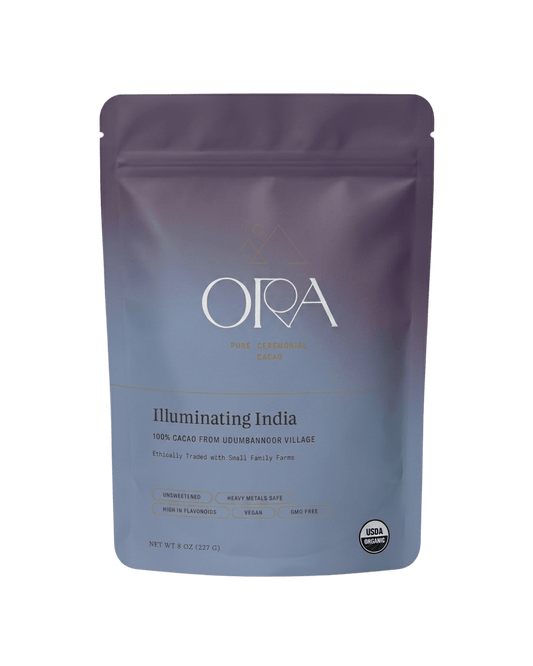
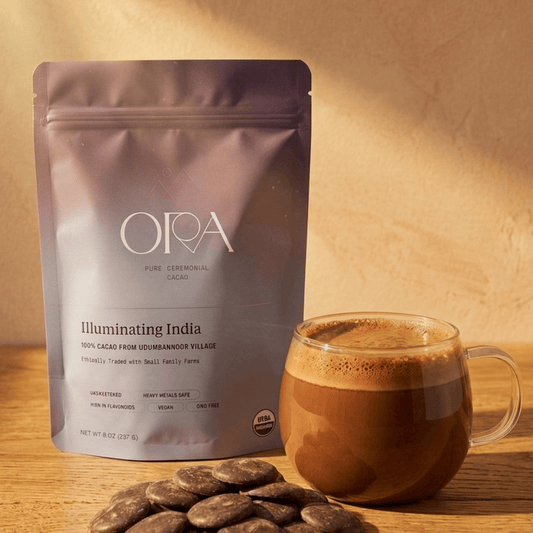
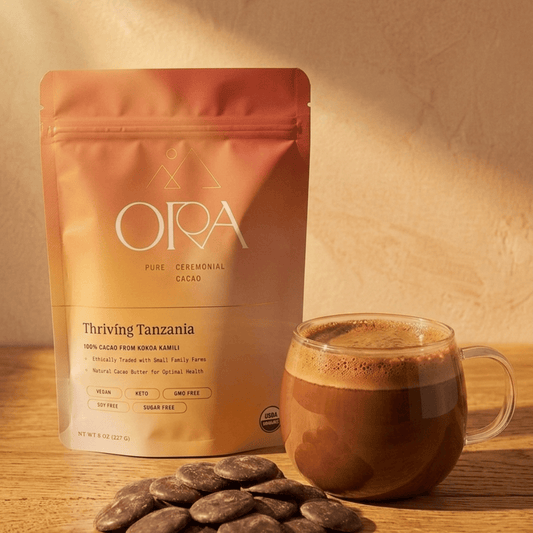
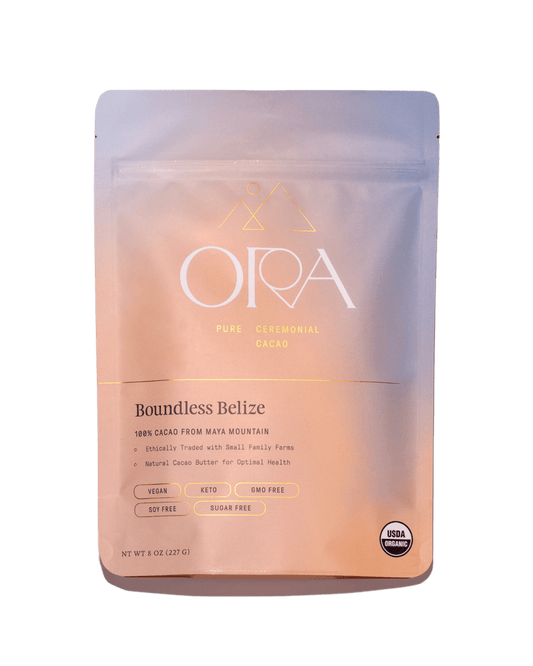
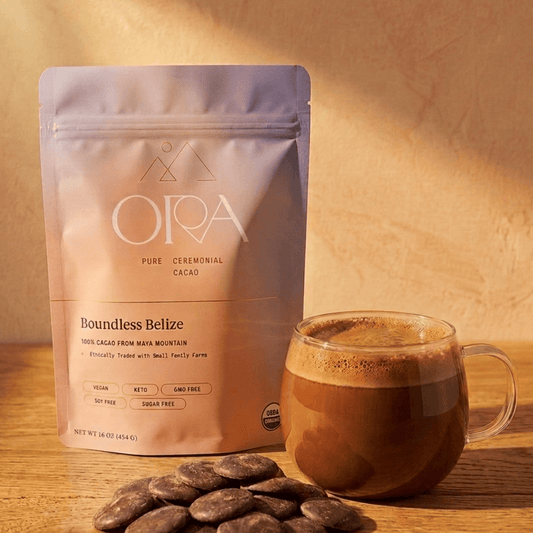
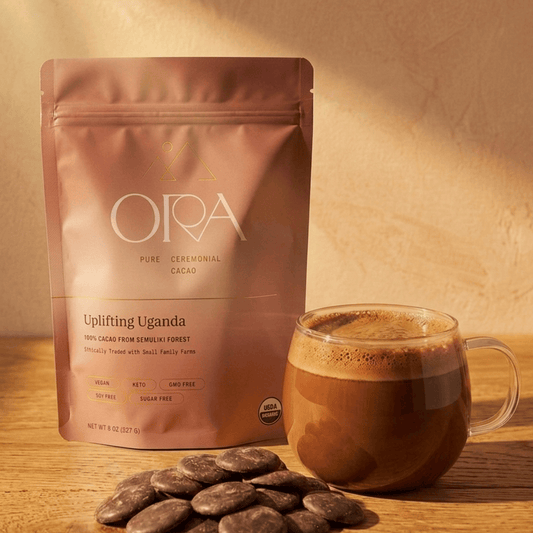
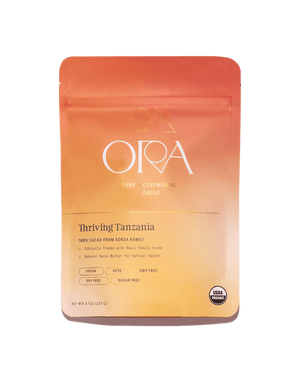
To date, we’ve tested Boundless Belize and Thriving Tanzania. This fall and winter we’ll be retesting both of those cacaos to reflect updates in our factory, and also adding Glowing Guatemala, Illuminating India, and Uplifting Uganda to see what we can learn about differences and similarities in polyphenol concentrations across multiple single origins. The tests do take some time to perform and then analyze, so we’re aiming for winter 2027 to have some exciting new data to share.
In Gratitude,
Jonas