


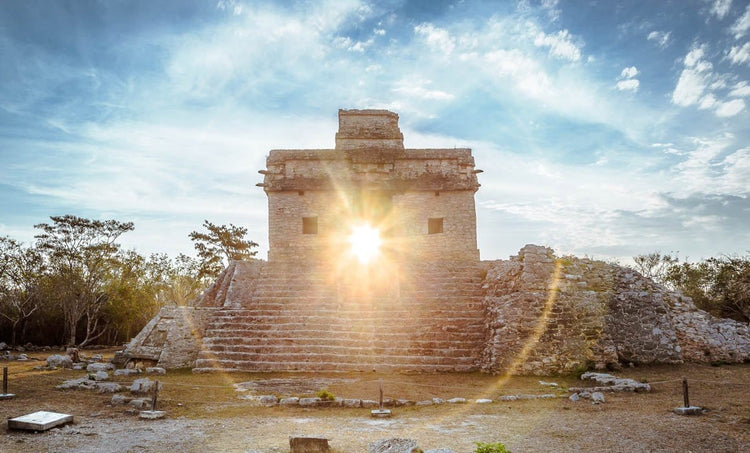
The cacao growing communities we work with are all substantially impacted by the colonization of the Americas beginning in the 1500s and continuing to this day. We’ll provide a framework here for what colonization is, how colonization impacts cacao, how we can learn from the indigenous and honor aliveness in ourselves in an inherently relational way, and how ceremonial cacao is one of many ways we can restore relationship.
What is Colonization?
To be colonized means to be disconnected and disintegrated from ancestry and land-based knowledge. Colonization is supported by supremacy and capitalism. Three layers of supremacy are commonly found today:
White supremacy | This legitimizes slavery and provide cheap labor for capitalism. It also legitimizes genocide and support resource grabbing for capitalism
Human supremacy | This legitimizes ecocide (ecological destruction) and the exploitation of resources.
Male supremacy and patriarchy | this legitimizes feticide, domestic violence, and child abuse. This creates “invisible labor” not compensated for in capitalism.
The results of colonization include trauma, chronic stress, environmental degradation, fractured food systems, countless diseases, and many other symptoms.

How was cacao colonized?
Cacao was colonized with the “colonial conquest” of the Americas in the 1500s, when the three above mentioned systems of supremacy were imposed upon the indigenous inhabitants of the Americas and over 99% of the population was eradicated by disease and violence in a massive cultural genocide. So much wisdom, culture, and spiritual practice was lost.
Rainforest ecosystems became managed as a “Resource” rather than a “living system”
and cacao became one of many rainforest products extracted for the benefit of the colonizers. Widespread deforestation, species extinction, and loss of native strains continues to this day.
All consideration of cacao as a sacred plant was lost on the colonizers. Instead, white supremacy justified slave labor, poverty level wages paid to farmers, all to get more cacao, cheaper.
Political interference by Western & European interests causes major suffering and corruption in Central & South American political systems. Major social movements are continuously undermined by foreign interests, inhibiting the thriving of the indigenous populations.
To this day cacao is still grown in the context of an extractive capitalist system in countries where political and economic realities are determined by the descendants of the original colonizers, and the ancestry and land based knowledge of cacao is largely disregarded.
For a deeper dive into the colonization of central and south America, we recommend reading: The Open Veins of Latin America.
How do we Heal?
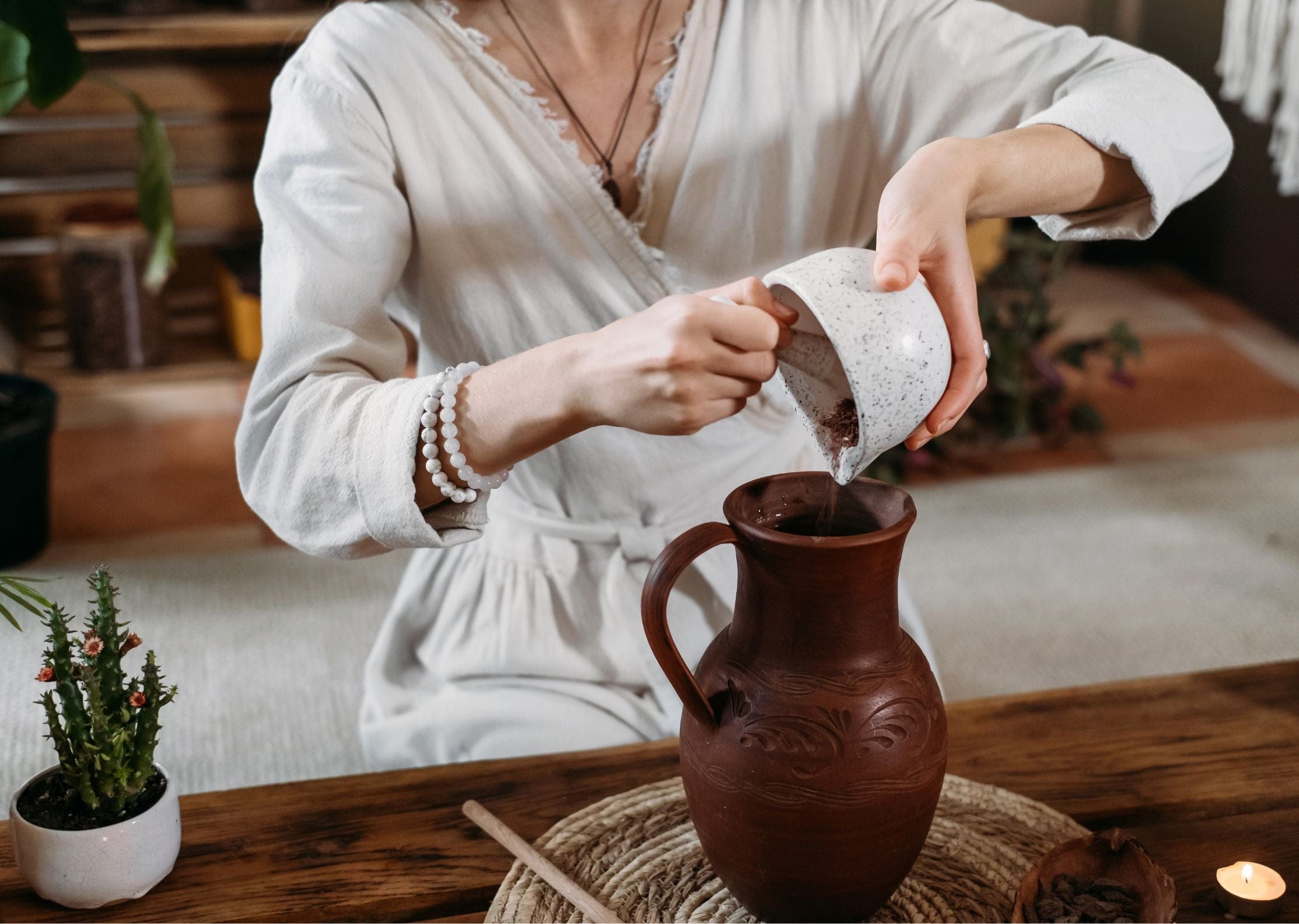
Colonization is not something we can fix. Even the notion of getting rid of colonization is a colonized framework. Rather, in this moment it feels most alive to meet colonization with presence. Meet the grief, listen to the stories, understand the impact, hold the trauma resulting from colonization. There is nothing to do per say, besides being deeply present with it to acknowledge the reality.
When Ora Cacao travels to and spends time with the communities we source from, acknowledging and grieving the colonization of cacao and the systematic oppression and exploitation of cacao communities and indigenous culture is a core time of practice. Being in a positive of privilege, we act in complicity with the systems of domination perpetuating this exploitation if we don't take the time to educate, acknowledge, and grieve. It’s true, there is so much to grieve here and the atrocities continue to this day. But grief is an expression of connection and care, and ultimately inspires aligned action.
Sourcing cacao ethically today starts here. Not with fixing grievances or perpetuating a story of a white savior paying good prices. It starts with listening and presence to truly meet across cultures and ways of being in the world. As people we have a lot to learn from each other.
So far, we are learning in our role as a significant cacao purchaser, Ora Cacao can tell the stories of the communities we work with to generate better prices for the cacao we purchase. Our Direct Trade model is not a fix of the commodity cacao purchasing system. Rather, it's a new system led by the well being of our farmers for buying cacao and rooted in prices actually improving their livelihoods. Sometimes this price is many multiples of what we've been told cacao "should" cost, but this is irrelevant to us because we are rooted in a relational exchange where the well being of all is what matters. We believe this is how we rehumanize and decommodify the exchange of cacao.
The impact of colonization extends far beyond price. Structurally, we purchase only from small cacao farmers to de-aggregate wealth, and to support regional economies where farmers sell wet cacao to high quality local fermenteries so they can receive additional value before export.
We've also begun a Cacao Farmer's Climate Resiliency Fund, because none of our cacao farmers have access to traditional insurance, and we learned being impacted adversely by climate events is one of their biggest concerns. Ora customers can donate to this fund so we can collectively pool our resources to support farming communities with immediate financial relief in the event of a disaster.
Ora Cacao comes in circular discs rather than rectangular chocolate bars, to represent a circular and cyclical understanding of life. Chocolate bars have a long history of consumerism which we desire to break the mold from. Even discs without intention could just be consumed, so inspiring cultural shift and encouraging people to slow down to be present with the sacred when intaking cacao is a core part of Ora Cacao's mission.
Showing respect of cacao as a sacred plant is also fundamental to reorienting ourselves to a present moment, honoring life path. Through practicing personal connection with cacao, we can access the wisdom and connection leading us to protect this planet. It leads us to value cacao grown in a regenerative way, benefiting the farmers and their communities, the cacao trees, and the natural ecosystems of our planet.
We've also heard loud and clear on many of our visits that as a human society we must end all unsustainable deforestation and mineral exploitation. These extractive practices degrade the tropical ecosystems which are one of the most profound and beautiful expressions of life on this planet! Yes, they provide tremendous value as home for indigenous communities, as the genetic reservoir for cacao and the source of many medicines and goods, but beyond the value the tropical rainforests are simply worth protecting because they exist.
Respecting indigenous self determination and ancestral indigenous claims to territory. Many of the cacao farmers we source from have been forced onto modern divisions of land into property. Yet their way doesn't recognize land as something to own, and historically they grew cacao on communally owned plots of land. How to shift cacao farming back into new model of relationship to land and stewardship is an open inquiry. Even the trendy of notion of implementing regenerative agroforestry systems is worth look at ... because nature simply by existing naturally regenerates, it is not something to be done, but simply to allow and support.
If you are interested in supporting this sort of work there are many excellent organizations doing work with the peoples of the rainforest. Some partners we can recommend include: Rainforest Action Network, Amazon Watch, Pachamama Alliance, and Amazon Frontlines.
The true wisdom for rainforest stewardship and historical knowledge about cacao lies with the very people who ancestrally lived where cacao grows, and their way of life and cosmo-visions are critically threatened. Healing how we source cacao will not happen in isolation of healing many of our other systems. We come to this practice in solidarity with many movements restoring sacred relationships with the earth as a living being, and creating regeneration and thriving of all life on Planet Earth. Truthfully we are still listening for more answers on how we can source cacao in a truly reciprocal way. The impact of colonization runs very deeply not just in indigenous communities but also in our own, and we have a lot to learn as we collectively return home.
Frequently Asked Questions
How was cacao affected by colonization?
How was cacao affected by colonization?
What is Ora Cacao's approach to healing the colonial legacy of cacao?
What is Ora Cacao's approach to healing the colonial legacy of cacao?
How does buying from Ora Cacao support indigenous cacao farming communities?
How does buying from Ora Cacao support indigenous cacao farming communities?
What is the connection between cacao ceremony and honoring indigenous wisdom?
What is the connection between cacao ceremony and honoring indigenous wisdom?