


Cacao has long been associated with heart health, circulation, and vitality, and many people feel those benefits in their bodies right away. What’s interesting is that science is now beginning to study cacao through a deeper lens: how specific compounds interact with biological aging.
Recent research has focused on theobromine, the naturally occurring compound in cacao that provides sustained energy, and its relationship to epigenetic aging markers. These markers don’t measure how old you are in years, but how the body is aging at a cellular level.
Keep reading to explore what researchers are uncovering about theobromine, aging, and why minimally processed cacao matters.
Shop Ceremonial Cacao
Theobromine & Biological Aging

Theobromine is one of cacao’s naturally occurring compounds, and it plays a big role in how cacao interacts with the body. While it’s in the same family as caffeine, it doesn’t work the same way. Instead of stimulating the central nervous system, theobromine stimulates the cardiovascular system, supporting circulation, blood flow, and oxygen delivery.
When scientists talk about biological aging, they’re not talking about your actual age, they’re looking at how the body is aging at a cellular level. In the 2025 study led by researchers at Kings College London, established epigenetic aging markers were measured, including GrimAge, a composite biomarker that estimates biological aging based on DNA methylation patterns linked to long-term health outcomes (1). In other words, it measures epigenetic cell acceleration - understanding the body’s biological age compared to years lived.
They also looked at markers related to telomeres, the protective caps at the ends of DNA strands that naturally shorten as cells divide over time. Greater telomere stability is generally associated with healthier cellular maintenance as we age (1).

What they found was that higher circulating theobromine levels were associated with slower biological aging, including healthier patterns across these aging markers (1). Even after accounting for other similar compounds found in coffee and cacao, the association remained strongest for theobromine itself.
This fits with a broader body of research showing that cacao compounds support circulation, nitric oxide signaling, and vascular function. This research includes studies of traditional cocoa-consuming populations like the Kuna of Panama, who historically exhibited exceptionally low blood pressure and low cardiovascular disease rates (2). Together, these benefits support key physiological systems, including blood vessel health, oxygen delivery, immune signaling, and tissue repair. When these systems function efficiently, nutrients move more easily through the body, inflammation is better regulated, and the body is better equipped to maintain and restore itself over time, all of which shape how we age.
Rather than pointing to a single mechanism, this research helps clarify why theobromine keeps showing up in studies on long-term health. It appears to support the underlying systems that slow down biological aging, especially when cacao is consumed in its whole, minimally processed form.
Shop Ceremonial Cacao
These Studies Are Referring To Cacao, Not Chocolate

When research talks about the benefits of cacao, it’s important to remember that they’re talking about minimally processed cacao, not highly processed chocolate with refined sugars. . Cacao maintains its naturally occurring beneficial compounds in a form the body can recognize and work with (2). That’s very different from most modern chocolate.
A lot of commercial chocolate goes through processing steps that change cacao at a fundamental level. High heat, alkalization, heavy refining, added sugars, and dairy can significantly reduce flavanols and alter how compounds like theobromine behave in the body. You may still be consuming “cacao,” but its physiological impact is no longer the same.
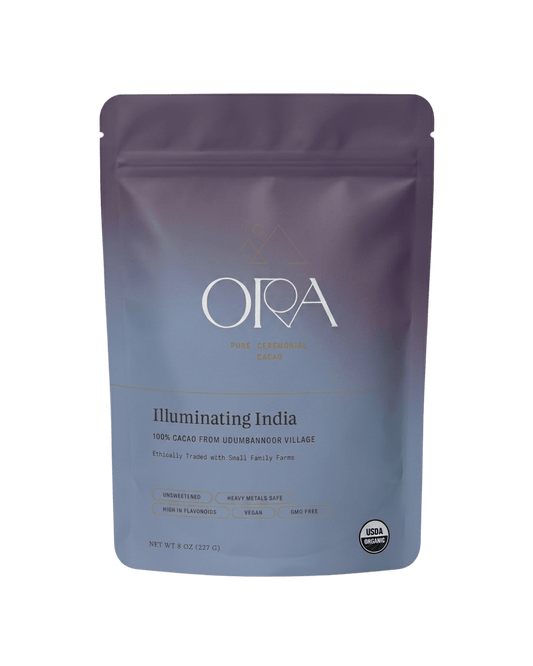
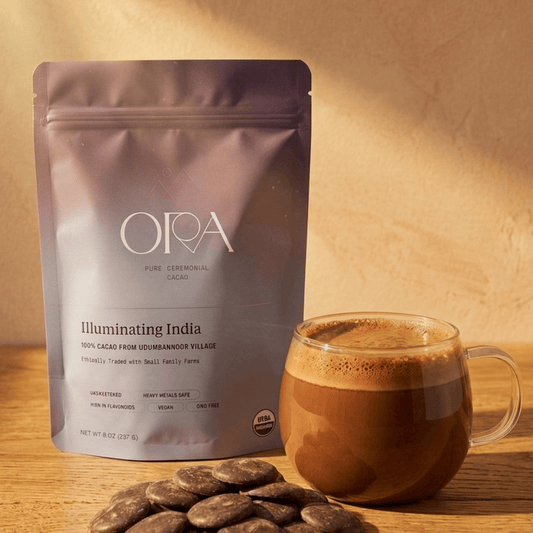
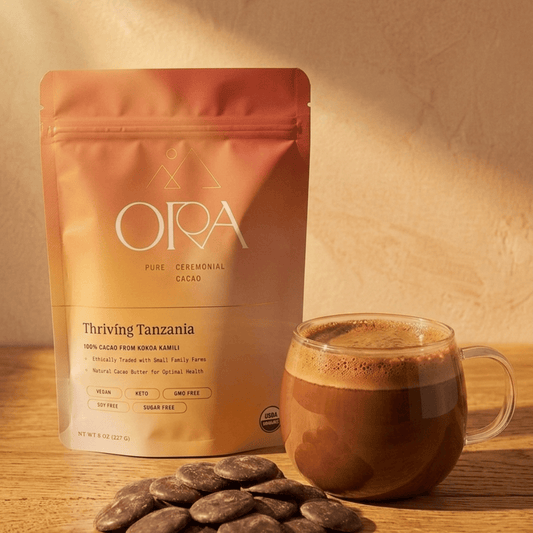
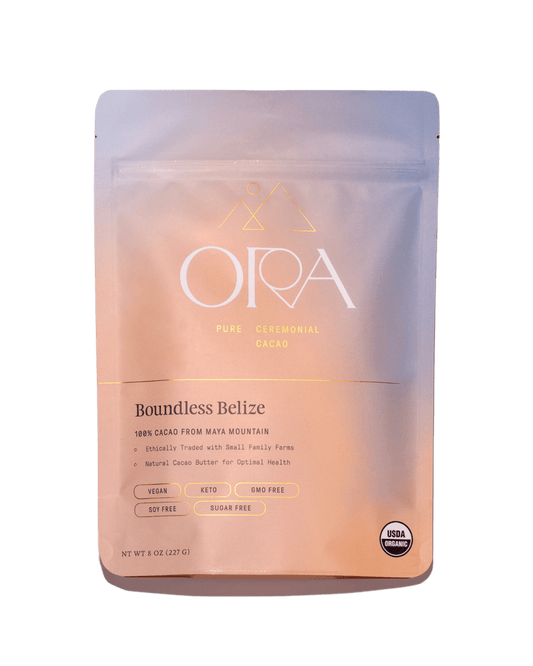
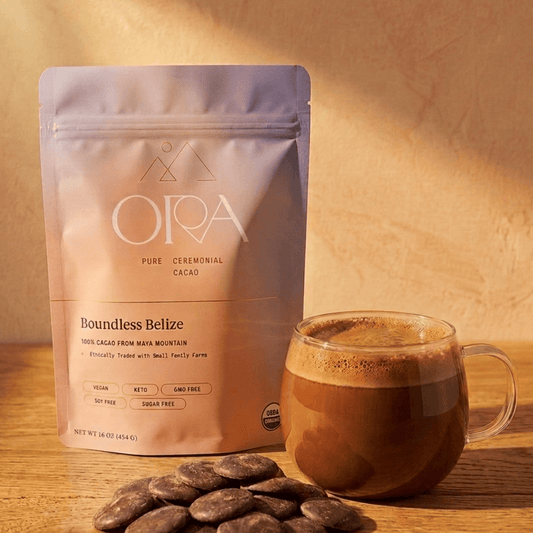
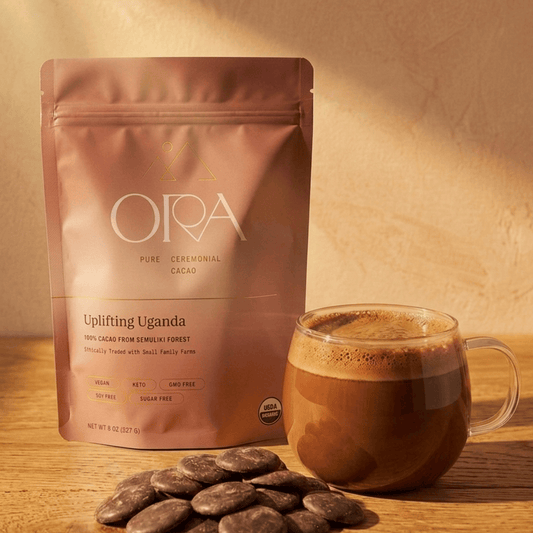
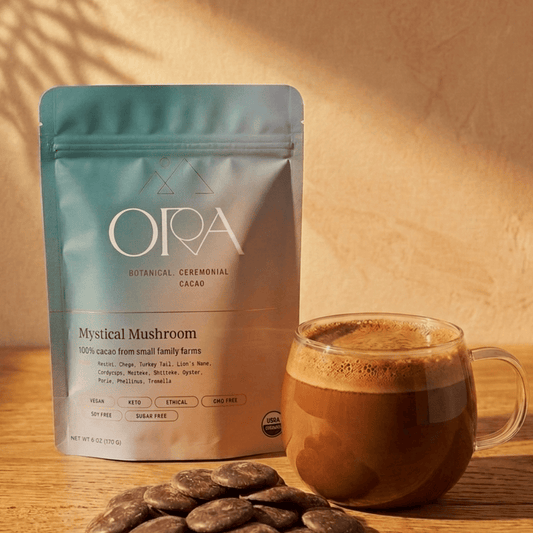
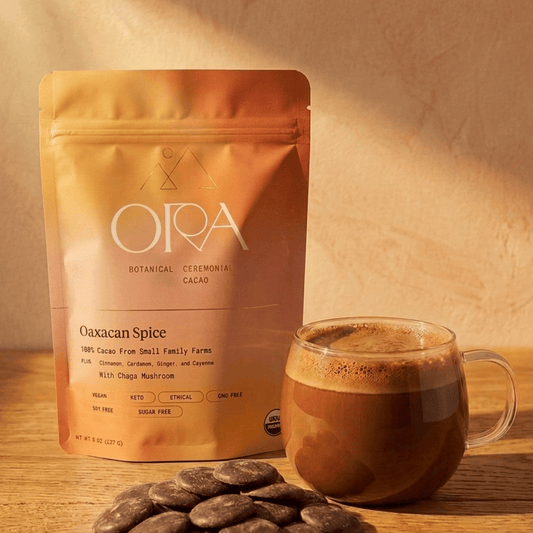
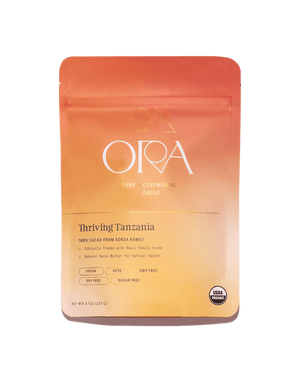
Ceremonial cacao is made from the entire cacao bean. Nothing is added or removed. That’s what allows it to retain the compounds that are actually being studied, including:
- Theobromine - our cacao has 212mg per serving
- Flavanols that support circulation and nitric oxide signaling. Our testing shows over 80% of the flavonols present in raw cacao beans remain intact in our finished ceremonial cacao.
-
Cacao butter, the natural fat that helps carry these beneficial compounds into the bloodstream
The natural fat component is a big part of why ceremonial cacao feels so potent - cacao butter (naturally occurring in the cacao bean) is the best carrier fat for the medicinal properties of cacao because its lipid (fat) structure efficiently dissolves and transports cacao's fat-soluble compounds, like flavonols and vitamins, enhancing their absorption and bioavailability.
This is also why cacao has traditionally been consumed as a tonic for endurance, vitality, and strength, not as a quick indulgence. When cacao is minimally processed, it supports the same foundational systems modern research continues to point toward: circulation, metabolic balance, and cellular support (2).
We’re not labeling cacao as “good” and chocolate candy as “bad.” We do love enjoying chocolatey treats! It’s simply that if you’re interested in cacao for its deeper health benefits, how it’s made matters.
It’s always exciting to see new research come out, adding to the myriad of health benefits of cacao that we already know about. We’ll keep you posted as new research emerges.
Shop Ceremonial Cacao
References:
1. Saad R, Costeira R, Matías-García P R, et al.
Theobromine is associated with slower epigenetic ageing.
2. Hollenberg N K, Fisher N D L, McCulloch M L.
Flavanols, the Kuna, cocoa consumption, and nitric oxide.