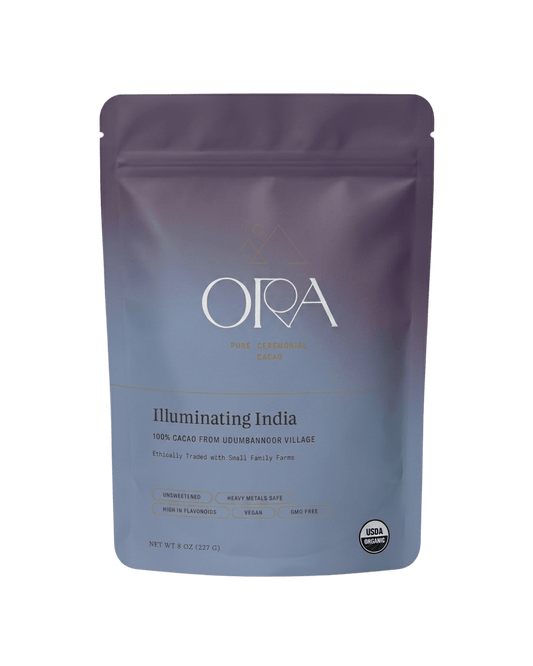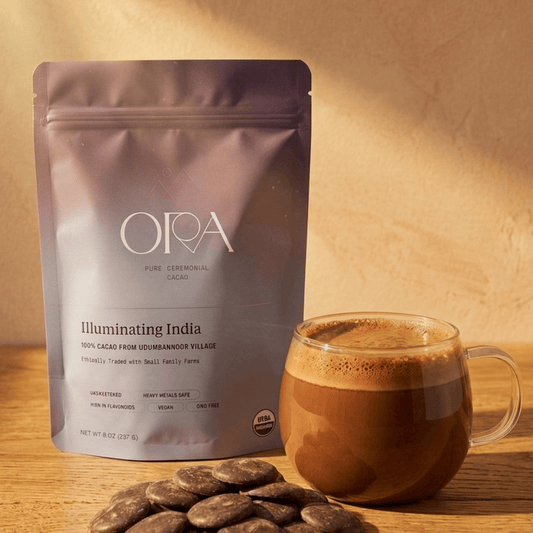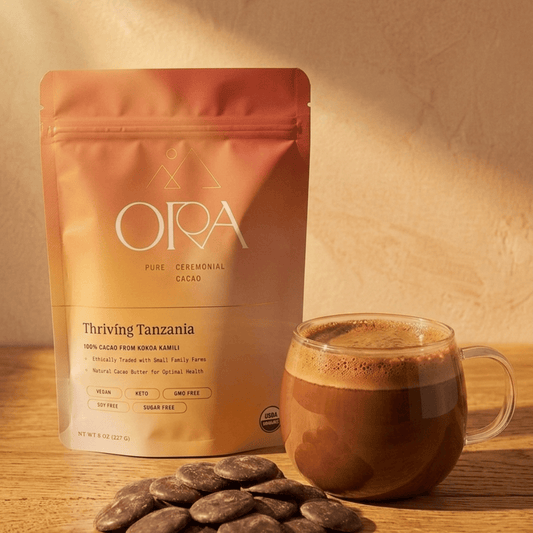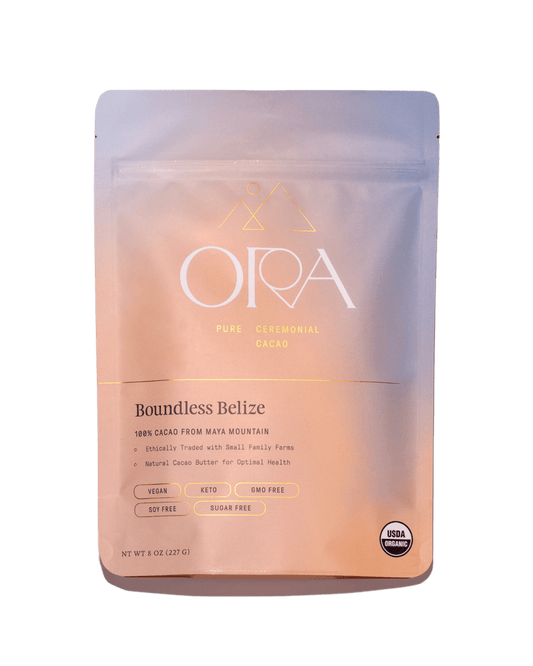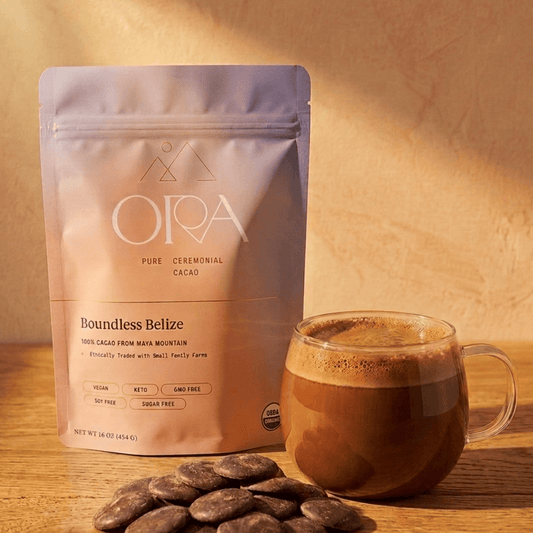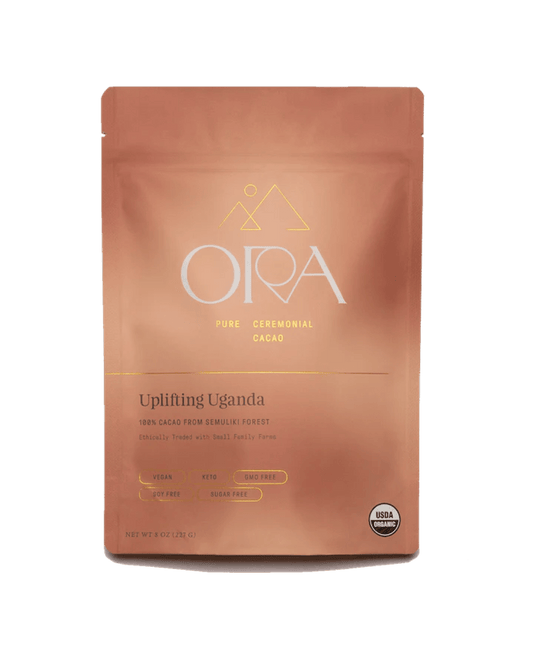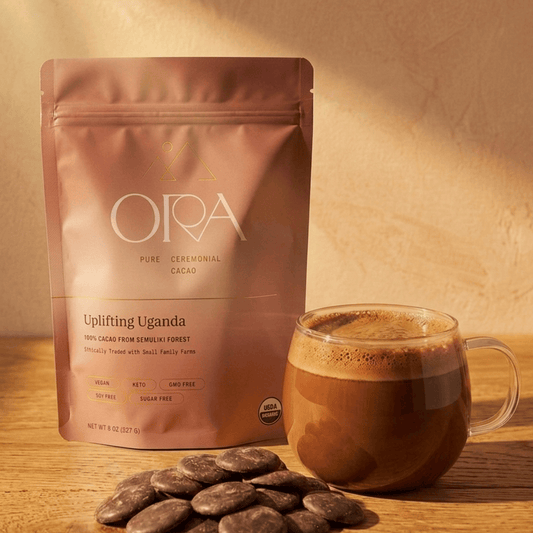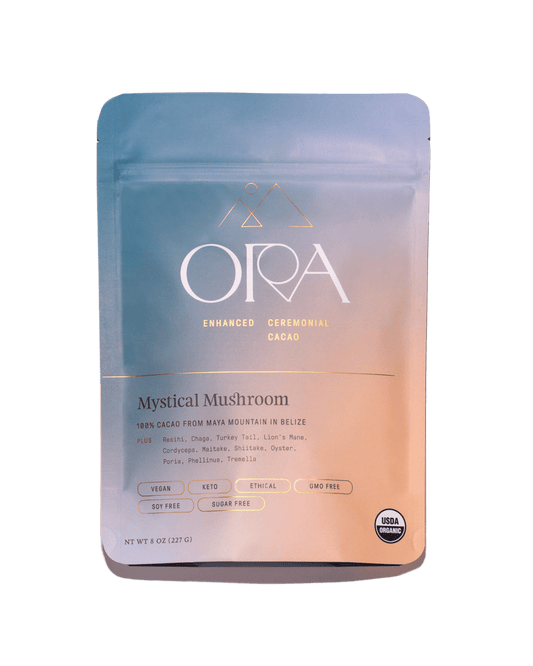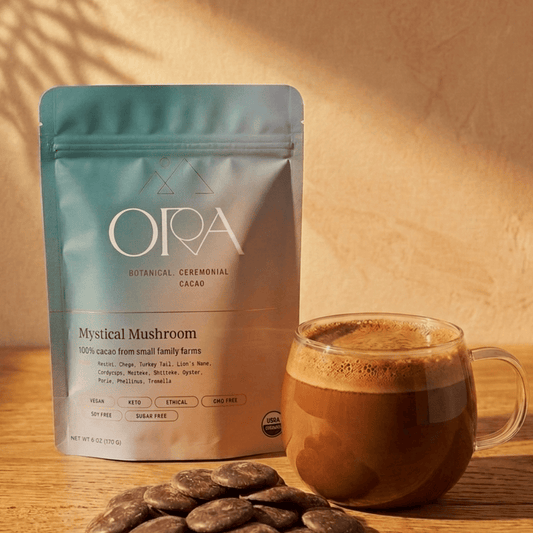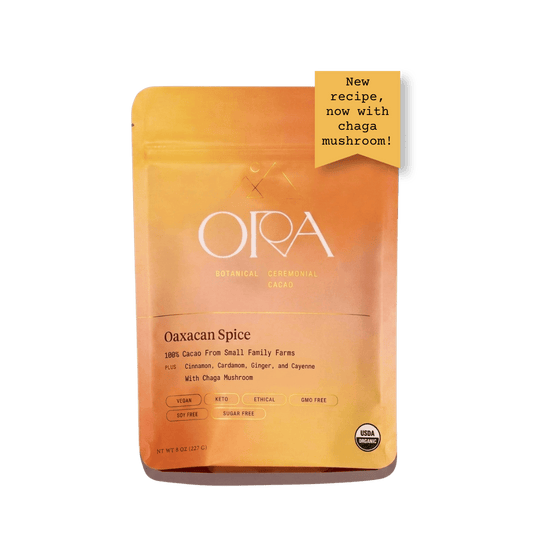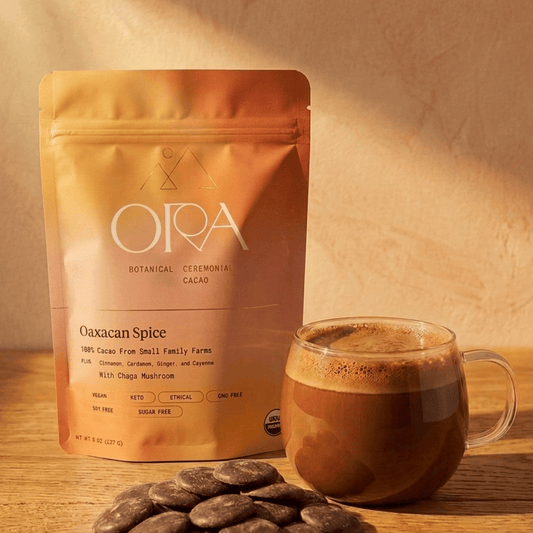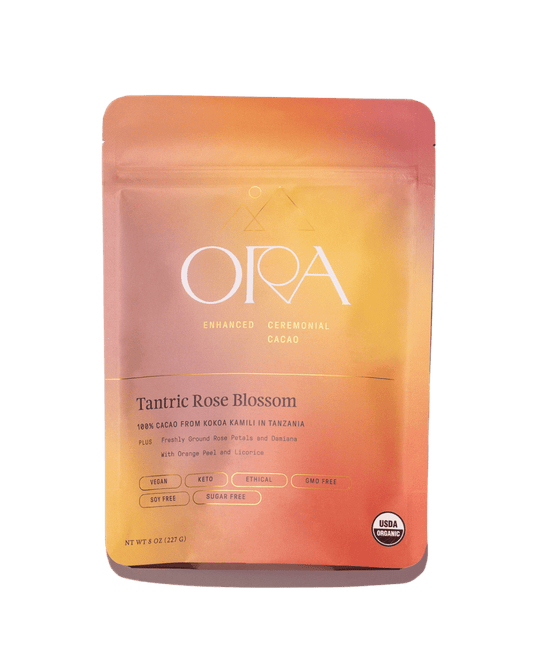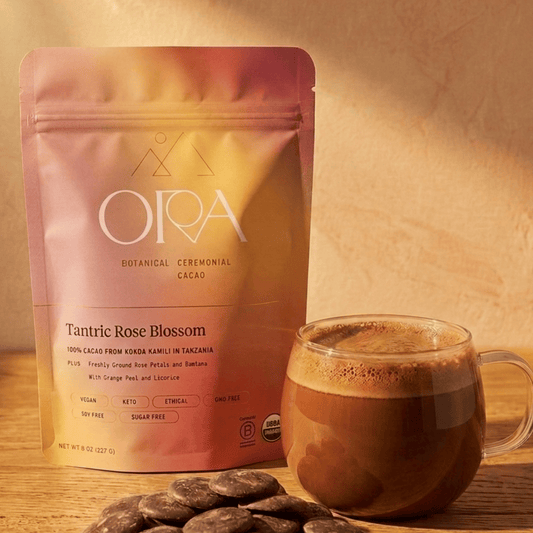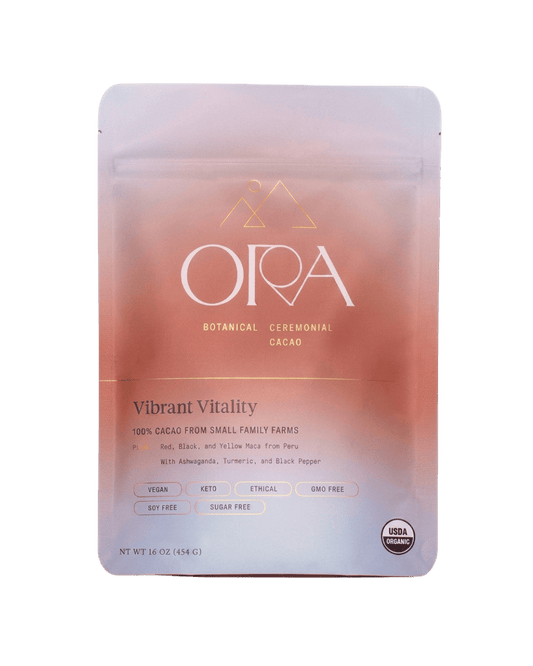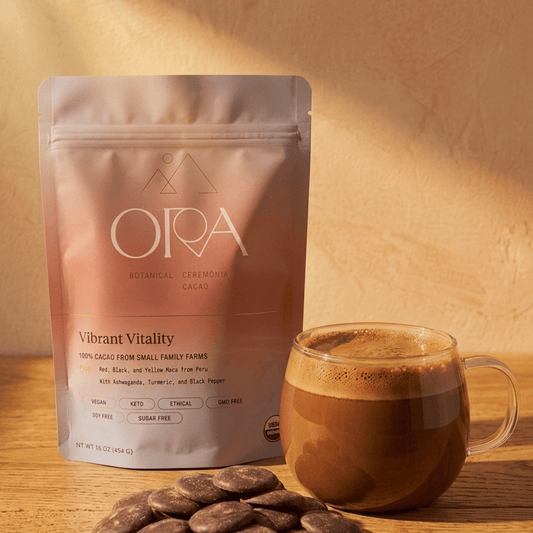
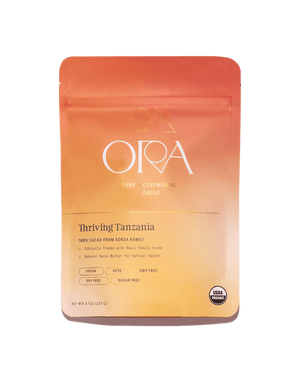
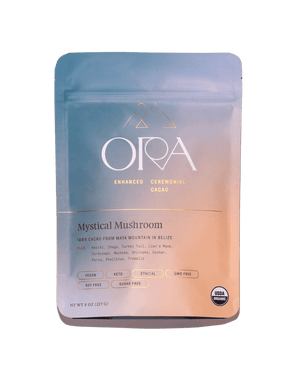



Is all ceremonial cacao the same? It’s a question we hear often, especially as cacao becomes more trendy in wellness and spiritual spaces. At first glance, many products look similar, and the marketing language around them can sound nearly identical. But when you begin to look at how cacao is crafted, who is crafting it, and how much care goes into the final product, it becomes clear that not all ceremonial cacao is the same..
Keep reading to see what truly separates one ceremonial cacao from another.
Shop Ceremonial Cacao
More Than Just Expensive Dark Chocolate

One of the most common misconceptions is that ceremonial cacao is simply dark chocolate but more expensive. If it is pure, unsweetened, and dark, then it must all be more or less the same.
The truth is that most dark chocolate and baking chocolate (except for craft bean-to-bar chocolate) highly processes cacao beans into components and then recombines them with sugars, emulsifiers, or additional fats. But ceremonial cacao follows a different path. It keeps the food intact in the way nature designed it, preserving the synergy between its fat, fiber, and plant compounds.
As we define it, ceremonial cacao begins with whole cacao beans grown regeneratively by small-holder family farms. After fermentation and drying, the beans are delicately roasted, the shells are removed, and the cacao is ground into liquid before being tempered into discs (yes, whole cacao beans ground down melts into liquid chocolate, not powder!). Nothing is added, and nothing is removed. The natural cacao butter remains intact, along with the minerals and flavanols that give cacao its richness, body, and depth.
Keeping the bean whole is not a small detail. That integrity changes how it tastes, how it melts, and how bioavailable the beneficial compounds of cacao are to your body. Dark chocolate alone does not make cacao ceremonial. The wholeness of the bean, and the care taken to preserve its benefits and energy, are part of what truly differentiates it.
Craft Is Where You Taste the Difference
 All ceremonial cacao begins as Theobroma cacao, the botanical name for the cacao tree. While origin and varietal influence the character of the bean, what truly shapes the final experience is how that cacao is handled after harvest.
Some ceremonial cacao is pressed into paste blocks, wrapped, and shipped with minimal refinement. It may technically meet the standard of being pure cacao, but little consideration is given to roasting profiles, texture, or flavor development. That is often why some ceremonial cacao tastes extremely bitter or has a gritty texture.
Ora was inspired by traditional open-fire roasted cacao-making practices shared with Jonas in Oaxaca, Mexico. Jonas returned to the United States curious why even high-end chocolate felt like it was missing something compared to what he experienced there. With his background in engineering, he designed and custom built the Ora Cacao factory to mirror and scale those traditional methods while maintaining precision and quality control.
We custom roast each batch in-house to bring out the distinct personality of each origin. We oversee the grinding and tempering process ourselves so the cacao melts smoothly, blends evenly, and maintains consistency from batch to batch. That level of involvement shapes the final cup in ways that are easy to taste but hard to explain. Flavor is influenced not only by land and fermentation, but by how carefully the cacao beans are transformed into discs or blocks.
When craft is prioritized, cacao has a smoothness, depth, and richness to its flavor and texture.
Shop Ceremonial Cacao
Not Just a Spiritual Trend

It’s understandable why ceremonial cacao can feel over-spiritualized in certain spaces. When something meaningful becomes popular, it can quickly be commoditized and reduced to an aesthetic without much depth behind it. That surface layer can make it seem like just another wellness trend.
But cacao carries lineage that reaches far beyond modern wellness culture. In Mesoamerican civilizations, cacao was revered, traded as currency, and is still to this day consumed in ceremonial contexts. The Western cacao ceremonies we see today are a modern re-emergence rather than a direct continuation of those traditions, yet the plant itself holds cultural and historical significance that deserves care, respect, and reciprocity. Approaching cacao ceremonially means acknowledging that history rather than borrowing from it casually.
At the same time, the beautiful energetic effects of cacao have scientific basis. It contains naturally occurring compounds like theobromine that support circulation and gentle energy. Many people experience it as steady, heart-centered, and clarifying. Those effects are part of why cacao has been valued for generations, both ritually and practically.
Ceremonial cacao, as we define it, is not just about chemistry or symbolism. It is about relationship. When cacao is grown regeneratively, ethically sourced, crafted with intention, and then sipped with gratitude, it invites participation rather than passive consumption. The experience becomes something you engage with, not something you simply drink.
That is where the word ceremonial truly lives.