


If you have been working with ceremonial cacao for a while, you may have noticed that different origins carry different qualities in the cup. One might feel expansive and creative, while another feels steady, grounding, or clarifying. Today we want to share what actually creates those differences so you can better understand what you are experiencing when you sit with cacao from different regions.
Keep reading to explore how genetics, land, and fermentation shape the character of each cacao origin.
Shop Ceremonial Cacao
Why Genetics Alone Don’t Explain Cacao Differences

Cacao genetics can influence aromatic compounds, cacao butter levels, bitterness, and structure in the cup, however it may not be as straightforward as you imagine.
Most cultivated cacao today is not a genetically pure heirloom in the way marketing language often implies. (You may have seen some ads claiming Criollo cacao is the best.) Many trees are grown from seed and naturally cross-pollinate in the field, which creates a mosaic of hybrid genetics across a single farm or region.
Grafted trees are also common, especially in parts of Central and South America, where selected Trinitario and Upper Amazon hybrids are often grown together to maintain flavor quality while supporting resilience. The result is that each tree can carry a different genetic background than the next.
This genetic diversity contributes to differences in cacao chemistry from place to place, which is one reason specific cacao-growing regions can feel distinct even when they share overlapping ancestry.
So yes, genetics do influence flavor potential and chemistry. But they are not the primary reason one cacao origin feels different from another. Regional soils, ecosystems, fermentation practices, and the knowledge of the people working with cacao all shape the final experience just as strongly, and often more.
How Environment Shapes The Character Of Cacao

Cacao is a forest understory tree that develops in close relationship with the ecosystem around it. The soil, rainfall patterns, surrounding species, and biodiversity of a region all influence how cacao grows long before harvest begins. These environmental conditions shape both flavor and how cacao is experienced in the body.
Fermentation is one of the most important steps in this process. The local microbial environment helps determine how flavor compounds develop after harvest, which is one reason cacao from different regions can taste and feel distinct.
These regional differences appear in the cup as changes in flavor, texture, and overall character. Even when cacao shares overlapping genetic ancestry, differences in soil, climate, and fermentation practices allow each origin to develop its own recognizable expression over time.
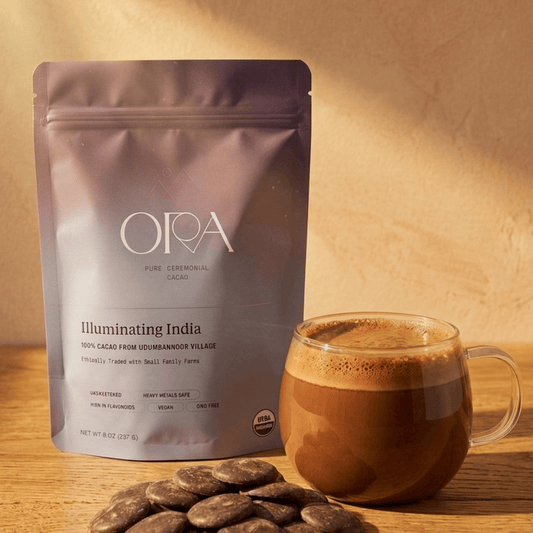
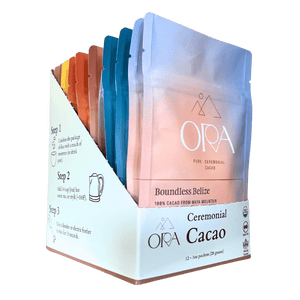
As you begin tasting cacao from different regions side by side, those differences become easier to notice. Belize, Uganda, and Tanzania do not just come from different places. They reflect the ecosystems, fermentation methods, and farming cultures that shape each origin from the ground up.
Shop Ceremonial Cacao
Belize, Uganda, And Tanzania Each Tell A Different Story

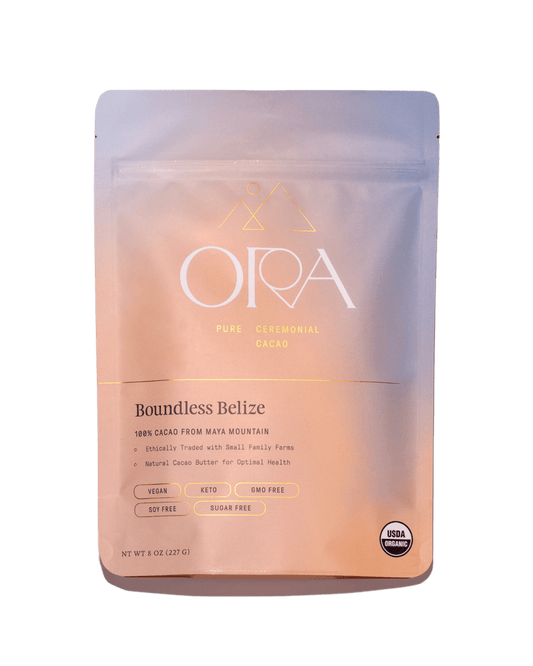
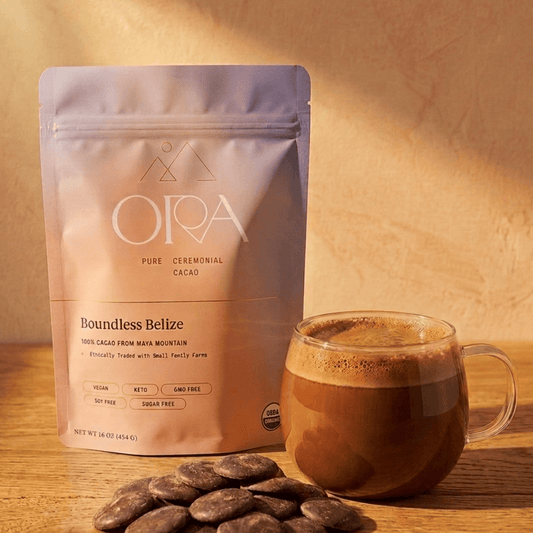
Boundless Belize grows in the rainforest foothills of southern Belize with Q’eqchi’ and Mopan Maya farming families who cultivate cacao within living forest systems. This origin carries heirloom diversity and long-standing ecological knowledge, and it is often experienced as expansive, expressive, and quietly magical. Many people reach for Belize when working with meditation or creativity because it tends to open space rather than direct energy.
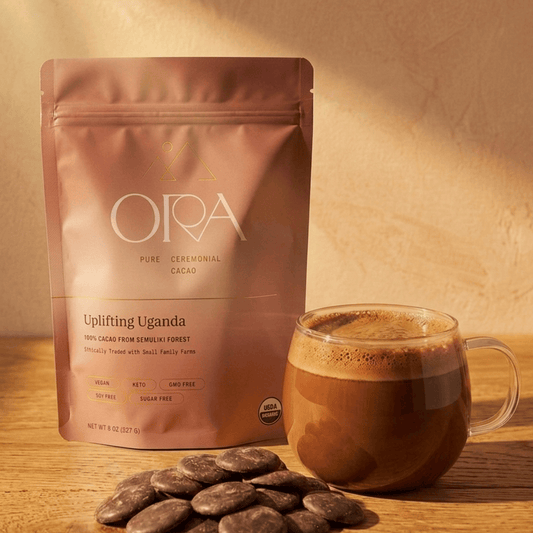
Uplifting Uganda comes from the Semuliki Forest beneath the Rwenzori mountains, where regenerative cacao farming supports conservation and livelihoods in East Africa’s only lowland tropical rainforest. The communal culture surrounding harvest and fermentation contributes to a cacao that feels generous, encouraging, and steady. It is often used for confidence, lineage connection, and grounding into a rhythm that feels stable and supportive.
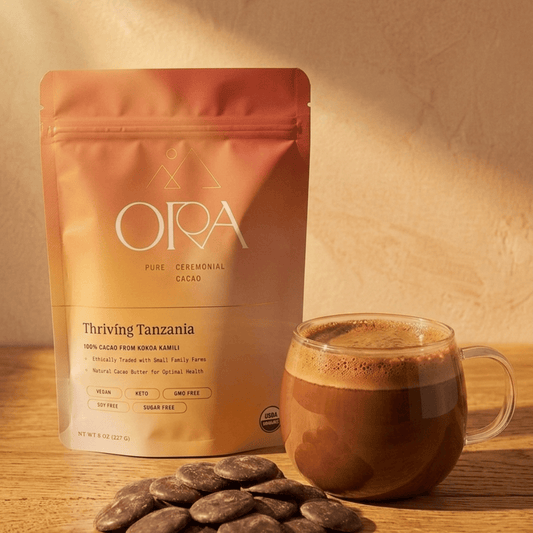
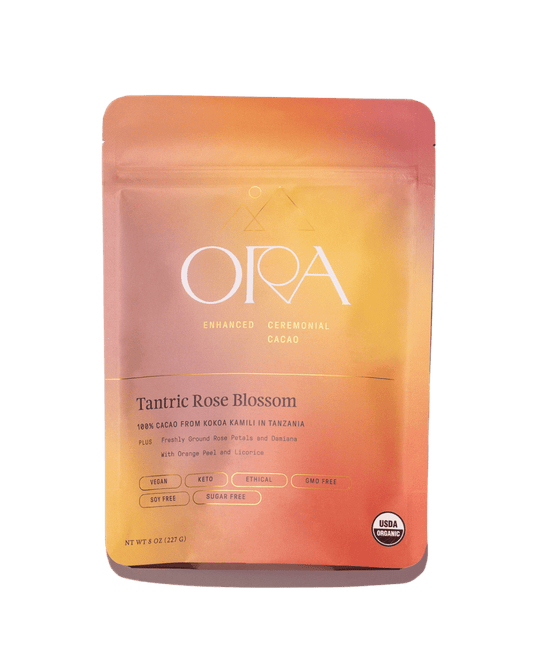
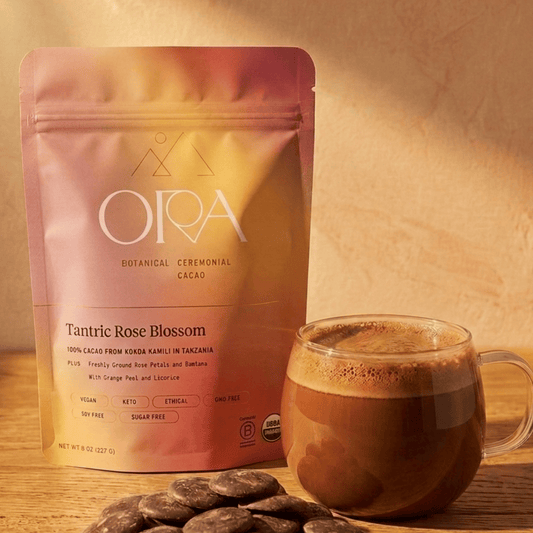
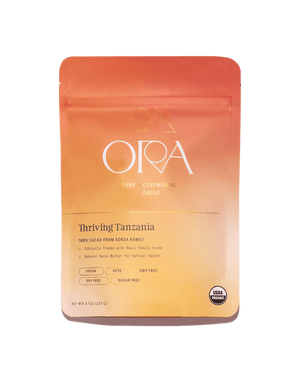
Thriving Tanzania is grown in the biodiverse Kilombero Valley near Udzungwa Mountains National Park and carefully fermented by Kokoa Kamili to bring out clarity and consistency of flavor. This cacao also contains naturally higher cacao butter content than average, which contributes to its smooth texture and focused, uplifting character. It is often used for studying, organizing thoughts, and taking clear next steps into action.
Seen together, these differences reflect more than genetics alone. They show how land, biodiversity, fermentation, and regional knowledge shape the character of each cacao origin and why each one can feel distinct in practice.