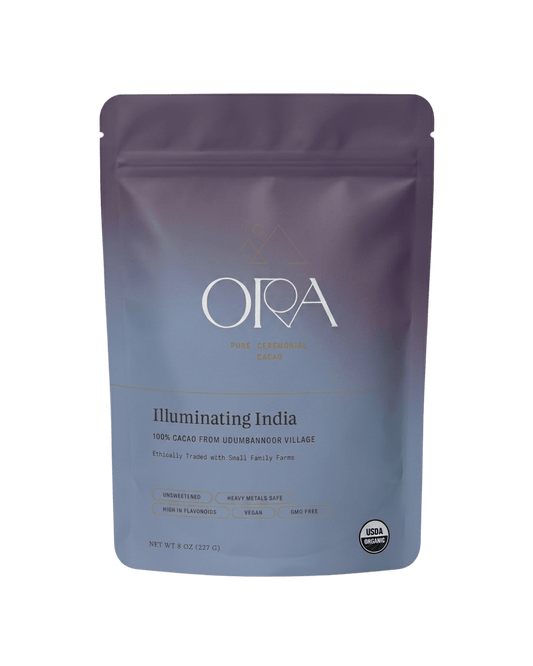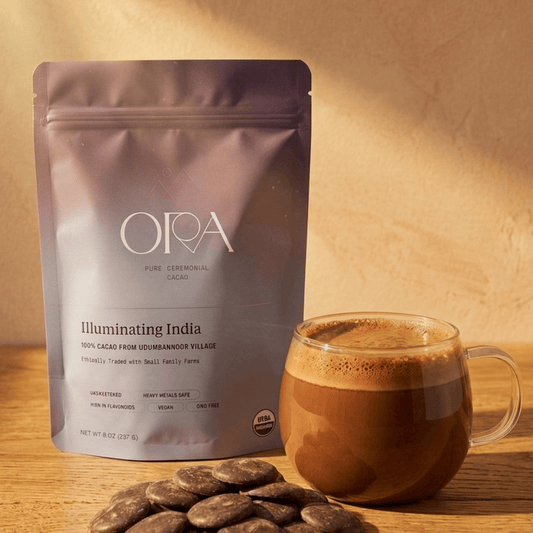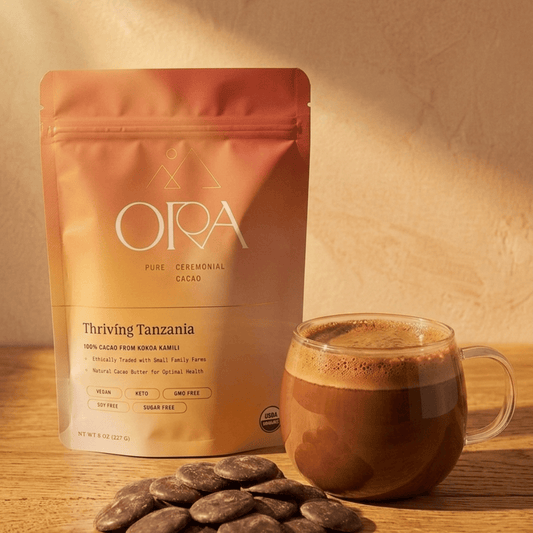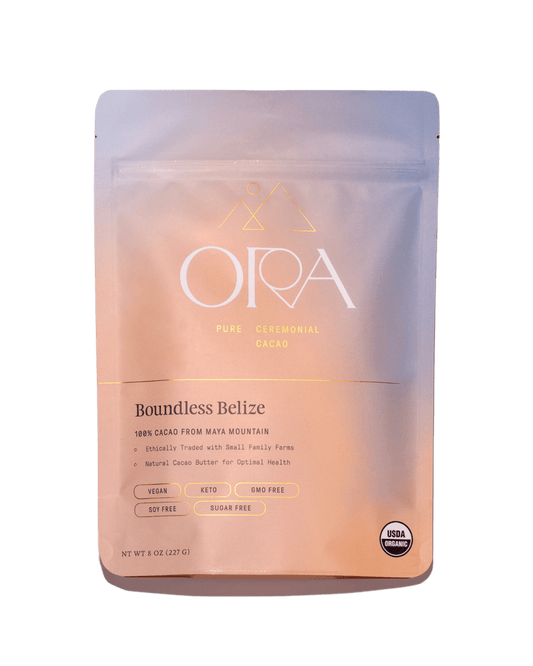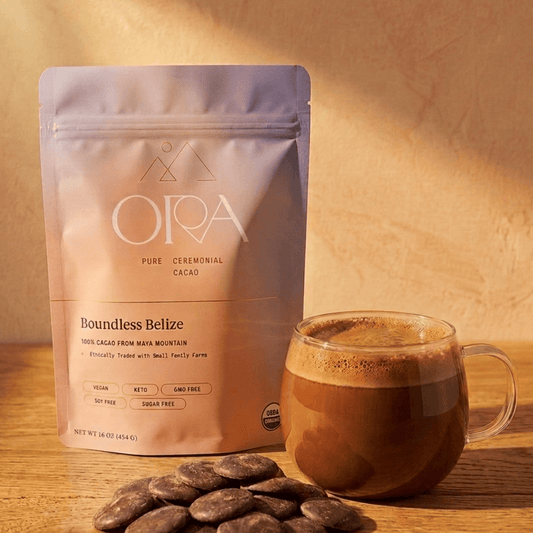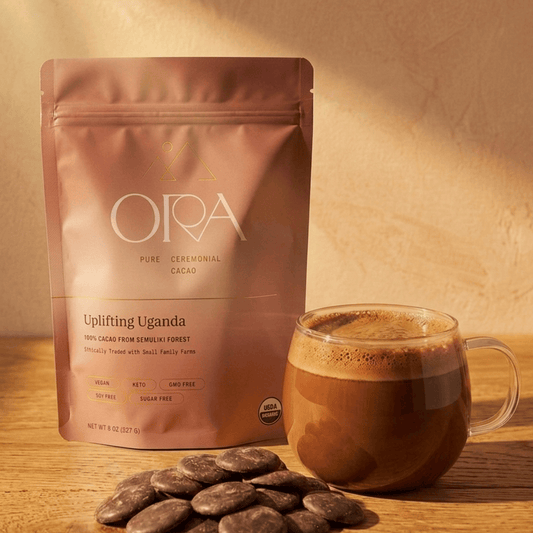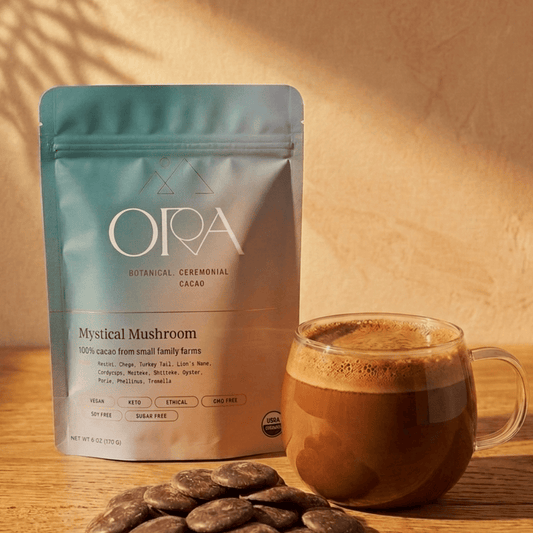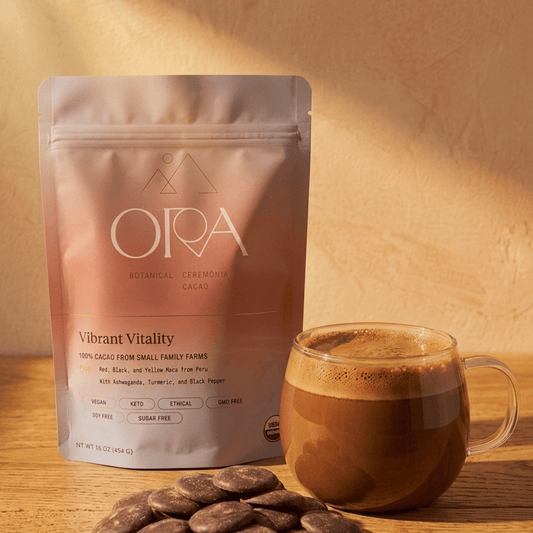




When you drink ceremonial cacao, you may notice its effects feel different from coffee or other stimulants. Many people feel warmth in the chest, increased circulation, and a sense of grounded energy that spreads through the body. What fewer people realize is that hydration plays a key role in how these effects are experienced.
Keep reading to learn why hydration matters when working with cacao and how a few small preparation choices can make your cup more nourishing and supportive.
Shop Ceremonial Cacao
Why Hydration Matters With Cacao

One of the primary compounds in cacao is theobromine, a naturally occurring alkaloid that acts as a gentle vasodilator. Rather than stimulating the nervous system like caffeine, theobromine works through the cardiovascular system, widening blood vessels and encouraging circulation throughout the body. This is one reason cacao often feels “heart-opening” or warming in the chest.
When circulation increases, the body naturally relies on adequate hydration to keep everything moving smoothly. Blood plasma is largely made of water, so when hydration is low, the body has a harder time delivering oxygen, minerals, and nutrients where they need to go. In other words, hydration supports the very pathways cacao is helping activate.
Another way to think about this is that cacao encourages movement in the body. Increased blood flow, improved oxygen delivery, and enhanced nutrient transport are all part of cacao’s physiological effects. For these processes to happen efficiently, the body needs enough fluid volume to maintain balance.
When hydration is low, circulation can still increase, but the body may have to work harder to compensate. Some people interpret this as feeling slightly overstimulated, warm, or dehydrated after drinking cacao. In many cases, the solution is surprisingly simple: drinking more water.
Hydration also supports digestion and absorption. Because ceremonial cacao is a whole food rich in fats, fiber, and plant compounds, the digestive system benefits from having enough fluid to break down and transport those nutrients effectively. Drinking cacao with proper hydration helps the body integrate its compounds more smoothly.
The Role of Minerals and Fluid Balance
 Cacao is naturally rich in minerals such as magnesium, potassium, calcium, and manganese. Because ceremonial cacao is minimally processed, it retains much of this natural mineral profile, which is part of what makes cacao feel nourishing rather than just stimulating. These minerals support many basic processes in the body, including muscle relaxation, nerve signaling, and overall balance in the nervous system.
As mentioned above, cacao also contains theobromine, a naturally occurring compound in the methylxanthine family. In addition to supporting circulation, theobromine can have a mild diuretic effect, meaning it gently encourages the kidneys to move a little more fluid through the body. This effect is usually quite subtle, but it contributes to the light, energizing quality many people feel after drinking cacao.
When the kidneys increase fluid turnover, the body may release a bit more water. Some people simply find themselves reaching for water sooner after their cup of cacao, while others notice warmth or increased circulation as the body becomes more active. These responses can vary from person to person and often depend on individual sensitivity.
Because of this, it can be helpful to approach cacao with hydration in mind. Drinking water before or alongside your cup supports the body’s natural fluid balance while it processes cacao’s compounds. When hydration is supported, many people find that cacao feels smoother, steadier, and more grounding in the body.
Shop Ceremonial Cacao
Preparation Makes a Difference
 The way cacao is prepared also influences how the body experiences it. Ceremonial cacao is typically blended with warm water (~180 degrees F) or plant-based milk, creating a drink that provides both hydration and the full spectrum of compounds naturally present in the cacao bean. This balance allows cacao to be received as a nourishing beverage rather than a concentrated stimulant.
Using enough liquid during preparation is an important part of this process. When cacao is made overly thick or concentrated, the body may have to work harder to digest and circulate it. We recommend about 6oz of liquid per 0.8-1oz serving of cacao (about 25 discs) for a rich, creamy cup of cacao. You’re welcome to play around with different amounts of liquid to see what you prefer! If you do make a thicker cup, be sure to drink water alongside your cup of cacao.
Blending cacao thoroughly can also improve the experience. When the natural fats from cacao butter are properly emulsified into the liquid, the drink becomes smoother and the nutrients absorb more gradually. Many people also find that drinking a glass of water beforehand supports circulation and digestion, helping the body receive cacao’s minerals and compounds more easily. We recommend using a blender or electric frother to blend thoroughly.
Some people also enjoy adding a small pinch of mineral-rich salt when preparing their cacao. Salt provides electrolytes that support hydration and can subtly enhance the natural flavor of cacao. Combined with adequate liquid and proper preparation, this small addition can help create a more balanced and nourishing cup. Of course, you’re invited to experiment here - if adding salt doesn’t taste good to you, you’re welcome to leave it out.
Shop Ceremonial Cacao
For those who enjoy exploring the science behind cacao:
-
Grassi, D. et al. Cocoa, Blood Pressure, and Vascular Function. Hypertension Research, 2015.
-
Franco, R. et al. Health Benefits of Methylxanthines in Cacao. Nutrients, 2013.
-
Popkin, B. et al. Water, Hydration, and Health. Nutrition Reviews, 2010.