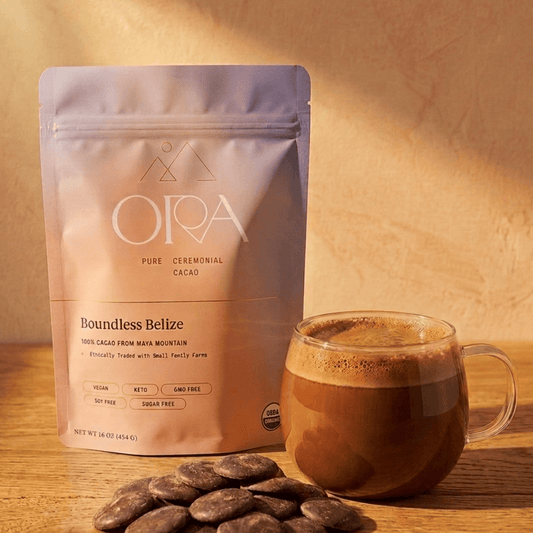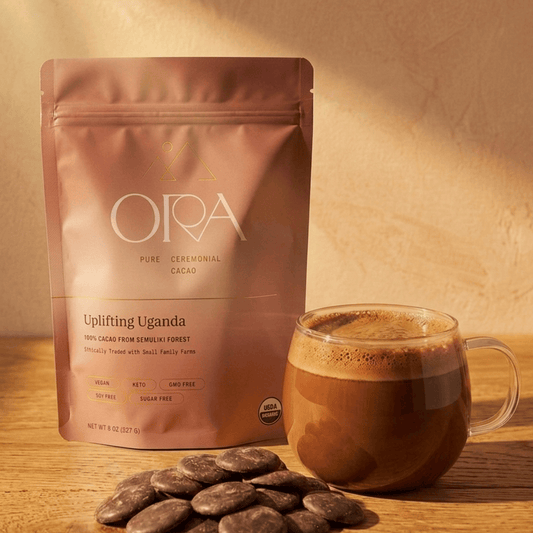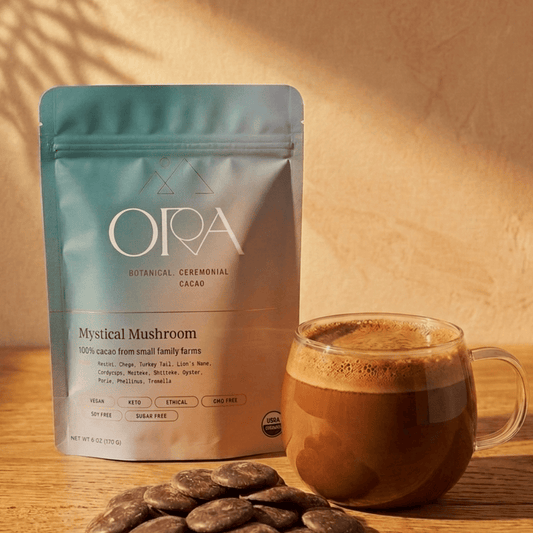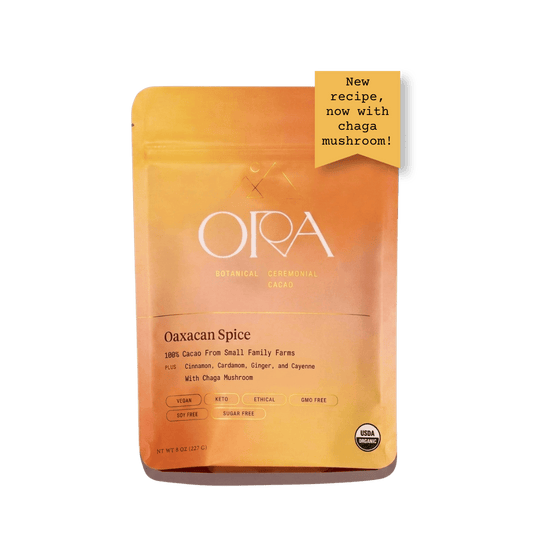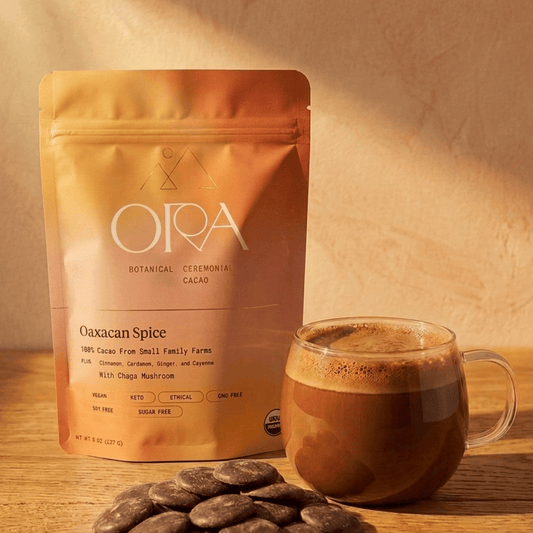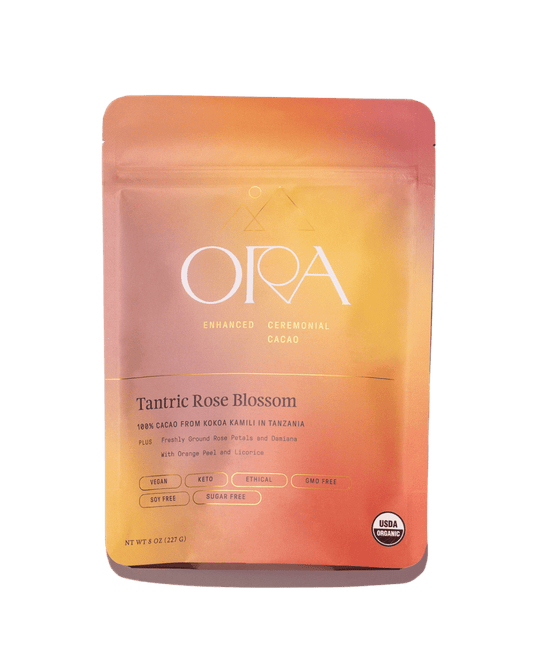
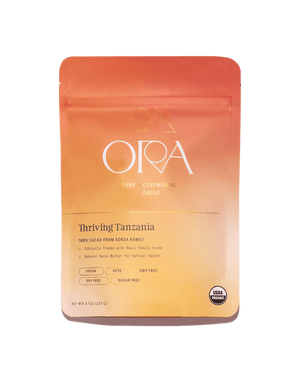
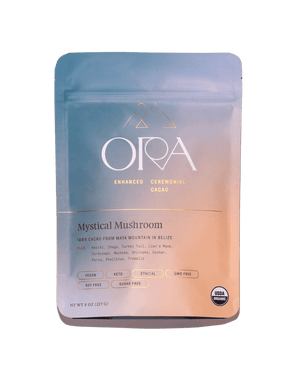




One of the key things that sets ceremonial cacao apart from chocolate bars or cacao powder is how it’s made, specifically its minimal processing that helps preserve the beneficial compounds and energetics of the cacao. The way cacao is fermented, roasted, and prepared shapes how it feels in the body, how it tastes in the cup, and how much of its natural intelligence stays intact.
Keep reading to discover the way that ceremonial cacao is crafted with minimal processing and how this supports your health.
Shop Ceremonial Cacao
What Industrial Processing Changes in Cacao
 Most industrial chocolate is processed with high heat to create uniform flavor and consistency across large batches. These temperatures can mask the taste of lower quality beans while reducing delicate aromatic compounds that naturally exist in cacao. The result is a predictable chocolate flavor, but much of the plant’s original complexity is lost along the way.
We take a very different approach when we craft ceremonial cacao. Because we only source high quality beans, we can roast the beans at low temperatures to develop more nuanced flavors and enable the beneficial compounds of cacao to stay intact.
High-temperature industrial processing can significantly reduce cacao’s naturally occurring flavanols, especially epicatechin and related polyphenols that support circulation and cardiovascular function. Studies show that roasting cacao at temperatures commonly used in industrial chocolate production, often between about 250°F and 320°F (120°C to 160°C), along with alkalization, can reduce total flavanol content and antioxidant activity by more than half depending on processing intensity. Gentle, low-temperature preparation helps protect these sensitive compounds so more of cacao’s original physiological benefits remain available in the finished ceremonial cacao.
Why “Raw Cacao” Isn’t Actually A Thing

The idea of raw cacao originally came from raw food movements that avoided heating foods above 116 degrees Fahrenheit. While this approach works well for fruits and vegetables, cacao develops its flavor through fermentation that typically reaches about 124 degrees. This makes truly raw cacao extremely rare from a technical perspective.
Cacao also responds differently to heat than fresh produce because dried beans contain less than 8% water. Gentle roasting activates flavor rather than reducing potency, helping cacao express its natural character more fully. Instead of weakening cacao, careful heat supports its transformation.
Traditional cacao cultures across Central and South America have long used low temperature roasting as part of preparation. Elders carefully roasted cacao in pans over coals to prevent burning while bringing out aroma and depth of flavor. This balance between preservation and activation remains central to ceremonial cacao today.
Minimal roasting protects cacao’s benefits by avoiding excessive temperatures while still allowing the flavor of the bean to open fully. This approach supports both the sensory experience and the biological integrity of ceremonial cacao.
Shop Ceremonial Cacao
Why Single Ingredient Cacao Matters

Minimal processing also means keeping cacao as a single ingredient whole food. Without additives, alkalization, or excessive refinement, cacao retains its natural fats, minerals, and plant compounds in their original balance. This allows the body to absorb cacao as a complete system rather than as isolated components.
Our low temperature preparation reflects this principle of balance. Only the amount of heat needed to activate flavor is used, which preserves both beneficial compounds and the energetic integrity of the cacao.
Minimal processing protects what cacao already carries naturally. That is what allows ceremonial cacao to remain rich in flavor, supportive for the body, and aligned with traditional preparation methods.